 CLICKpoint RealtyiClickBuyers.comSign in
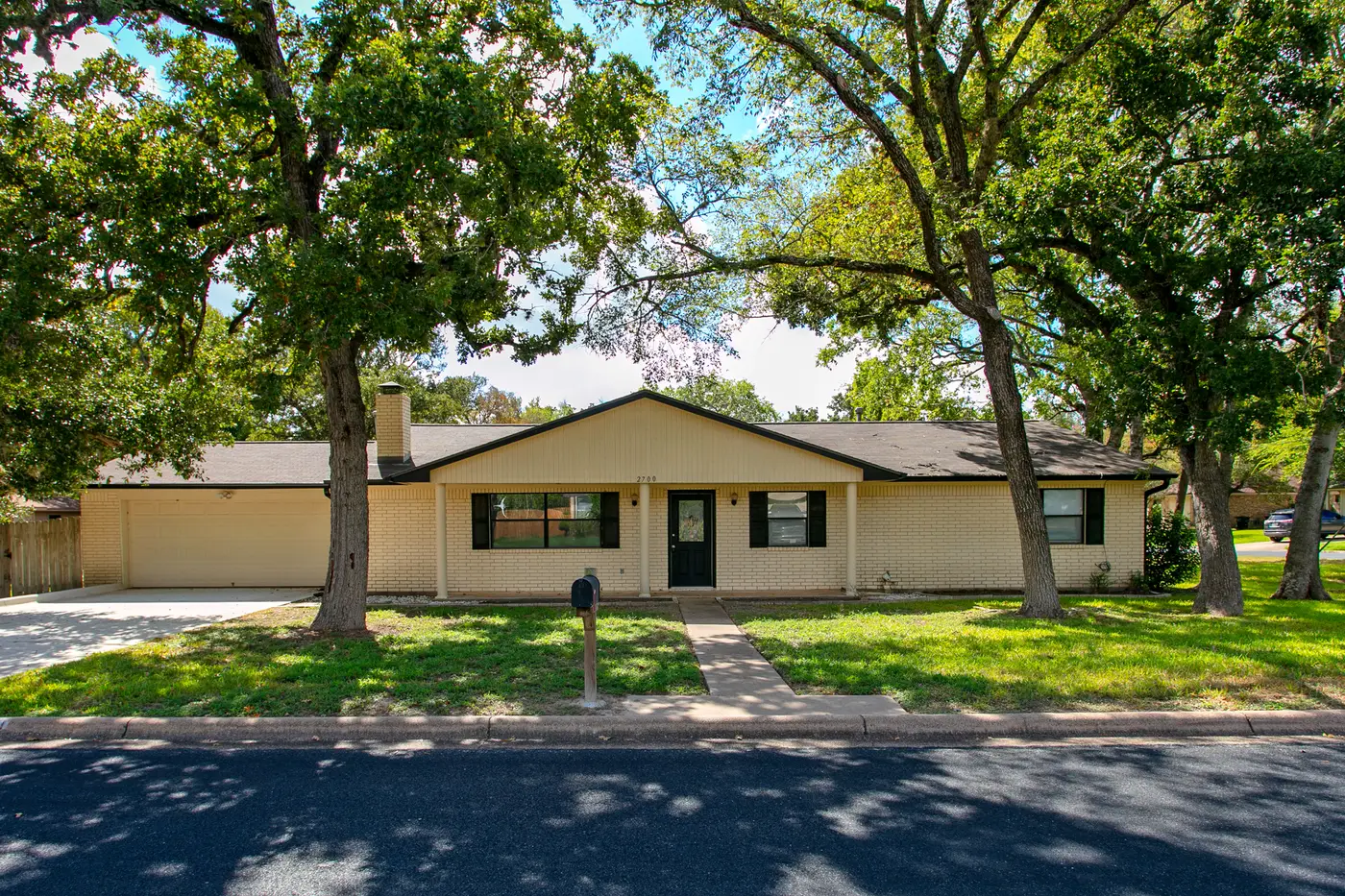
Active · City of College Station home
2700 Wilderness Drive South
$264,900 · MLS #26011348 · 3 bedrooms · 2 bathrooms · 1,680 sq ft
Property and buyer links
Explore and Determine Eligibility
View the property, review the City’s eligibility program, and connect with the people who can help with financing and the purchase.
2700 Wilderness photo gallery
See the home inside and out.
Select any photo to view it larger.
30 photos3D walkthrough
Walk through 2700 Wilderness online.
Move through the home at your own pace and review how the rooms connect.
If the walkthrough does not load, open it in a new window
Buyer path
How the City homebuyer program works
There are two separate reviews. The City decides whether you meet the assistance-program rules. A lender decides whether you qualify for a mortgage. Approval from one does not automatically mean approval from the other.
Current City program requirements
What the City will look at
Think of this as an early checklist—not an approval. The City reviews the full application, confirms the documents, and makes the final eligibility decision.
The assistance, in plain English
It is a second loan secured by the home—not a gift or grant.
The buyer still gets a regular first mortgage from a lender. If the City approves assistance, the buyer also signs a separate note and deed of trust with the City. The City’s loan is normally recorded as a second lien, behind the first mortgage.
Example for this home: The most the City could provide at a $264,900 price is $79,470. If the City approved that full amount, it would be a separate second-lien loan. The actual amount could be much lower because the City provides only the amount its review shows the buyer needs.
The City and lender determine the housing payment and first mortgage the buyer can afford, then the City reviews the remaining documented financial gap. Income, monthly debts, buyer funds, rate, taxes, insurance, closing costs, credits, and the program cap all affect the result.
See realistic financing scenariosPurchase pathway
Five stages from application to closing.
- 1
See whether the program may fit
Start with your household size and income. Then review the City’s other rules for credit, savings, job history, education, and the home itself.
- 2
Send a complete application to the City
Fill out the City application and send every requested document together. Missing items can delay the review.
- 3
Let the City make the eligibility decision
The City checks your information and decides whether you qualify for the assistance program and how much help you may receive.
- 4
Get mortgage preapproval from a lender
A lender separately decides whether you qualify for a mortgage, how much you may borrow, and what your estimated payment could be.
- 5
Tour the home and decide whether to offer
After the City and lender reviews, tour the home. If it works for you, your real estate agent can help you prepare an offer and move toward closing.
Questions & answers
Buying 2700 Wilderness
Who decides whether I qualify?
The City of College Station reviews program eligibility. Your lender separately reviews your mortgage application. Creating an iClickBuyers account or completing a checklist step does not mean you have been approved.
Where do I begin?
Read the City program summary and application checklist, then follow the City’s current application instructions. You can create a buyer account here to track your progress.
Where do I send my City application?
Use the delivery instructions in the official City application and confirm them with the designated City contact. Send qualification records directly to the City.
Is assistance guaranteed?
No. The City determines eligibility, demonstrated need, funding availability, and assistance terms.
Do I also need lender preapproval?
Yes. City qualification and mortgage preapproval are separate steps. Ask your lender to review the City’s financing requirements.
Can I use my own real estate agent?
Yes. Add your agent’s name, email, and phone in the buyer portal and choose the information you want to share.
Your private buyer checklist
Keep the purchase steps organized.
Track City qualification, lender preapproval, showing, offer, and closing milestones in one place.
iClickBuyers is operated by CLICKpoint Realty, LLC and is not a City of College Station website. Program details, property information, and availability should be confirmed with the appropriate source and independently verified.